Kane Williamson Biography: Age, Height, Wife, Stats, and Cricket Legacy
In-depth biography of Kane Williamson: his Tauranga upbringing, 2021 World Test Championship victory, Fab Four standing, height, partner Sarah Raheem, and verified accounts.
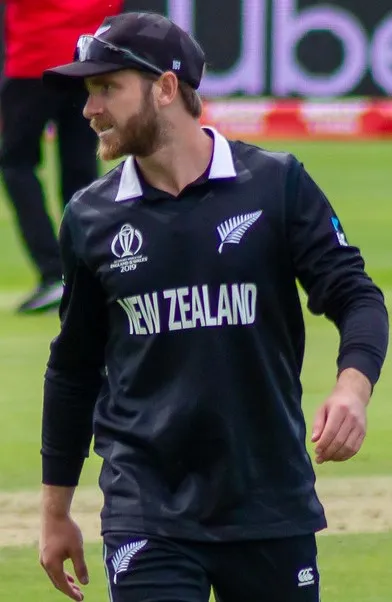
Photo: Mark Lockett / Wikimedia Commons
Watch Kane Williamson bat for twenty minutes on a cold Tuesday morning in Hamilton, and you notice something odd. He barely moves. While modern power-hitters shuffle, crouch, and flex their forearms, Williamson waits. Bat cocked waist-high. Head utterly still. When the ball arrives at 145 kilometers an hour, he meets it not with violent force, but with a feather-soft deflection beneath his eyes.
That quiet discipline built New Zealand’s greatest cricketing era. Across sixteen years of international cricket, the Tauranga technician scored over 9,500 Test runs, struck 33 centuries, and averaged above 54. Along the way, he led the Black Caps to their holy grail—the inaugural ICC World Test Championship mace in 2021.
No theatrics. No chest-beating. Just pure, unyielding concentration.
Kane Williamson Biography: Quick Facts
| Full Name | Kane Stuart Williamson |
|---|---|
| Date of Birth | 8 August 1990 |
| Age | 36 years old (as of 2026) |
| Birthplace | Tauranga, Bay of Plenty, New Zealand |
| Height | 172 cm (5 ft 8 in) |
| Batting Style | Right-handed top-order batsman |
| Bowling Style | Right-arm off-break |
| High School | Tauranga Boys’ College (Head Boy, 2008) |
| Parents | Brett Williamson and Sandra Williamson |
| Siblings | Twin brother Logan Williamson; three older sisters (Anna, Kylie, Sophie) |
| Partner | Sarah Raheem (partner since 2015) |
| Children | Three (two daughters, one son) |
| Major Teams | New Zealand, Northern Districts, Sunrisers Hyderabad, Gujarat Titans, Yorkshire |
| International Debut | 2010 (ODI vs India; Test vs India at Ahmedabad) |
Early Life and Tauranga Sporting Roots
Kane Stuart Williamson was born in Tauranga on 8 August 1990 into a household where weekends belonged to grass pitches and sports courts. His father, Brett, worked in sales after years in local club cricket. His mother, Sandra, had represented her province on the basketball hardwood. Athletic competition was not a hobby; it was breakfast conversation. Sixty seconds after Kane arrived, his twin brother Logan was born. Three older sisters—Anna, Kylie, and Sophie—rounded out the family, all three going on to represent New Zealand in age-group volleyball.
At Tauranga Boys’ College between 2004 and 2008, Williamson’s appetite for batting bordered on obsessive. Teachers still talk about him scoring forty schoolboy hundreds before graduation. Yet he was never isolated in a nets bubble. In 2008, his classmates elected him Head Boy. In December 2007, aged just seventeen and still in high school shorts, he took the field for Northern Districts in senior first-class cricket. Months later, he captained the New Zealand Under-19 team to the semi-finals of the 2008 World Cup in Kuala Lumpur.
International Ascent and The Fab Four Era
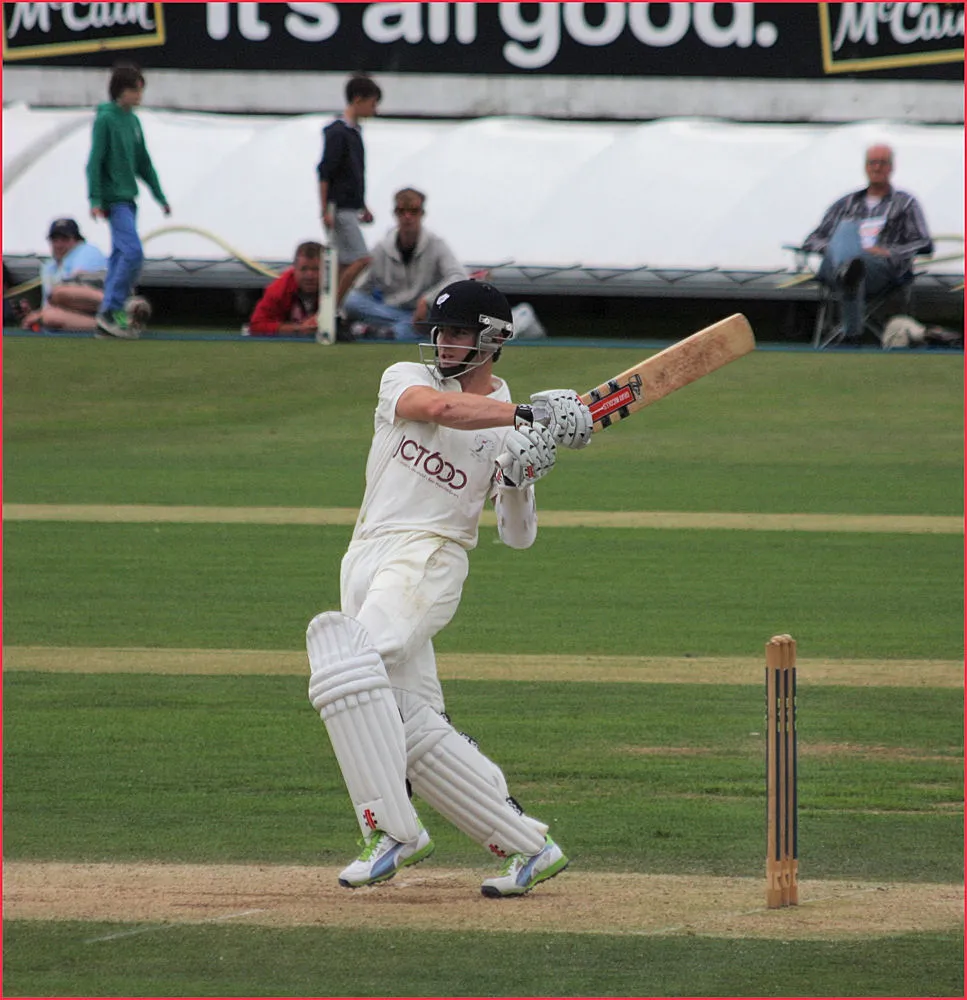
November 2010. Motera Stadium, Ahmedabad. New Zealand were struggling against an Indian attack firing on all cylinders. Out walked a slight twenty-year-old with blond hair and a blank expression. Over five grueling hours, Williamson stroked 131 in the second innings, becoming only the eighth New Zealander to hit a hundred on Test debut. The composure was startling. He played deliveries late, allowing the seamers to beat the air while the ball died harmlessly off the middle of his blade.
That debut was no flash in the pan. Across the next decade, Williamson established himself alongside Australia’s Pat Cummins as a pillar of world cricket. International observers grouped him with Virat Kohli, Steve Smith, and Joe Root as the “Fab Four”—the defining Test batsmen of their generation. Visiting touring squads threw everything at him. Subcontinent tracks brought ferocious battles against masters like Ravindra Jadeja and Kuldeep Yadav, yet Williamson met raging turn with soft wrists and immaculate footwork.
The 2019 World Cup and 2021 World Test Championship Glory
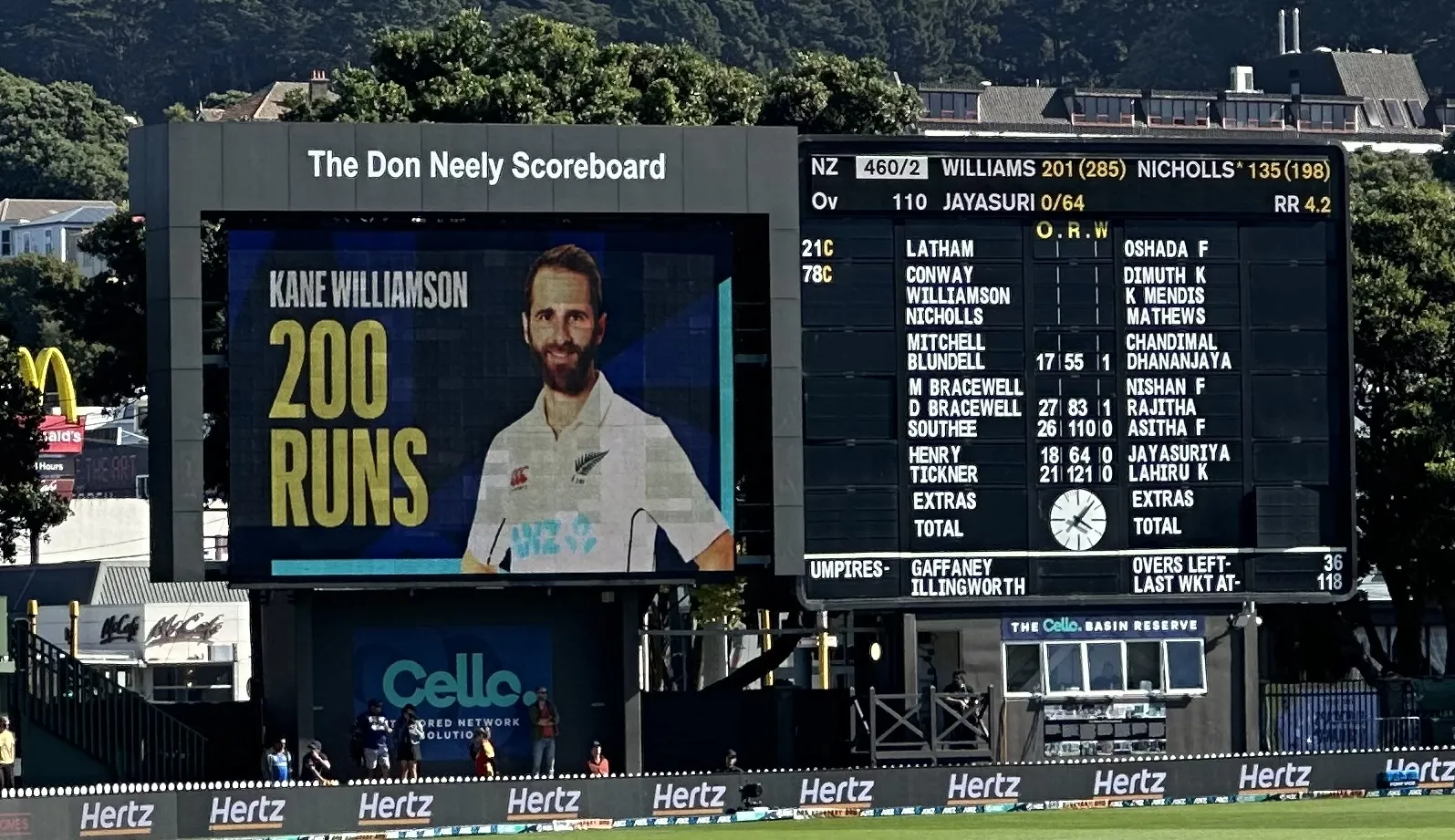
When Brendon McCullum stepped down in 2016, Williamson inherited the captaincy. He stripped away the bluster and rebuilt the side around selfless positioning and suffocating fielding. At the 2019 World Cup in England, he practically carried the batting lineup on his back, scoring 578 runs at an 82.57 average. When New Zealand lost the Lord’s final on boundary countback after a tied Super Over, Williamson walked through the media room with serene grace. No complaints. No excuses.
Redemption took two years. In June 2021, the Black Caps met India at Southampton’s Rose Bowl for the inaugural World Test Championship Final. Rain delayed play across six damp days. Williamson dug in for 49 in the first innings, then returned on the reserve day with New Zealand needing 139. Wickets fell early, but Williamson dropped anchor alongside his veteran comrade Ross Taylor. He reached an unbeaten 52, stroked the winning boundaries, and raised his arms to the Hampshire drizzle as New Zealand lifted the ICC Test mace.
Franchise Cricket, County Stints, and Captaincy Transition
Williamson’s tactical brain made him just as potent in franchise leagues. With Sunrisers Hyderabad in the Indian Premier League, he claimed the 2018 Orange Cap by amassing 735 runs and driving the franchise into the final. A subsequent move to Gujarat Titans saw him mentor younger stars like Shubman Gill, while English summers with Yorkshire and Gloucestershire cemented his reputation as an elite all-conditions technician.
By December 2022, after 40 Tests as captain and 22 victories—a 55% win rate unmatched in New Zealand history—Williamson decided his body needed relief. He stepped down as Test captain, handing the reins to Tim Southee, while staying on as the side’s primary number three anchor.
Personal Life, Family, and Financial Disclosures
Off the field, Williamson lives a remarkably private life. Since 2015, his partner has been Sarah Raheem, a qualified medical nurse who graduated from the University of Bristol. The pair avoids red carpets and lives quietly in Tauranga with their three young children: daughter Maggie, born December 2020; a son, born May 2022; and a second daughter, born February 2024.
Online celebrity trackers routinely guess his net worth between $8 million and $12 million, extrapolating numbers from IPL retainer deals and brand endorsements. Williamson has never filed public financial statements, and no official audited registry verifies these speculative sums.
Kane Williamson Social Media Presence & Verified Accounts
| Platform | Account / Status | Direct Link |
|---|---|---|
| @kane_s_w (Official Verified Account) | Follow on Instagram | |
| X (Twitter) | No personal active account maintained | Not applicable |
| No personal public account maintained | Not applicable | |
| Official Team Hub | New Zealand Cricket (BLACKCAPS) | Visit NZC Official |
| Career Records Archive | ESPNcricinfo International Player Profile | View ESPNcricinfo Records |
Frequently Asked Questions
Question: How tall is Kane Williamson?
Answer: Kane Williamson stands 172 cm tall, which translates to 5 feet 8 inches.
Question: How old is Kane Williamson?
Answer: Born on 8 August 1990 in Tauranga, New Zealand, Kane Williamson is 36 years old as of 2026.
Question: Who is Kane Williamson’s partner?
Answer: Kane Williamson is in a long-term relationship with Sarah Raheem, a Bristol-trained nurse. The couple has been together since 2015 and shares three children.
Question: Did Kane Williamson win the World Test Championship?
Answer: Yes, Kane Williamson captained New Zealand to victory in the inaugural 2021 ICC World Test Championship final against India in Southampton, batting through the fourth-innings chase with an unbeaten 52.
Question: What is Kane Williamson’s Test batting record?
Answer: Williamson is New Zealand’s all-time leading Test run-scorer and century-maker, with 33 centuries and more than 9,500 Test runs at an average exceeding 54.