Sunil Bharti Mittal Biography: Age, Height, Airtel Success, Net Worth & Family
Discover the biography of Sunil Bharti Mittal, founder and chairman of Bharti Enterprises. Explore his early roots in Ludhiana, the rise of Airtel, global space ventures with Eutelsat OneWeb, family life, height, and his 2024 British Knighthood.
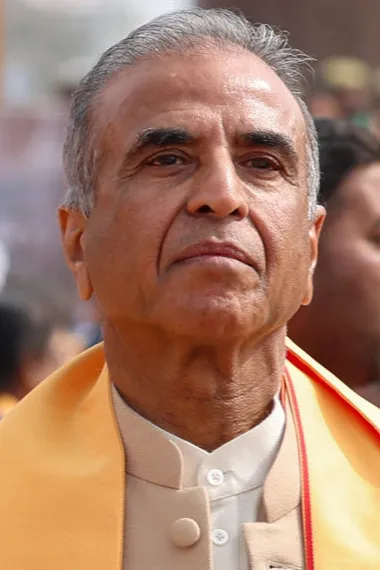
Photo: Press Information Bureau (PIB) / Government of India
In 1976, an eighteen-year-old in Ludhiana borrowed twenty thousand rupees from his father. He rented a small shed and began cutting bicycle crankshafts for local assemblers. There was no grand corporate blueprint. Industrial life in Punjab back then was raw, noisy, and constrained by quotas. Yet that noisy machine shed grew into Bharti Enterprises, an international telecommunications and infrastructure group spanning South Asia and Africa.
Today, Sunil Bharti Mittal sits at the head of a network serving over six hundred million subscribers. His trajectory mirrors the economic rewiring of modern India. When the Indian government opened cellular communication to private operators in the 1990s, established industrial houses looked away, dismissing mobile handsets as toys for the wealthy. Mittal saw a utility that would replace missing copper wires across the sub-continent. He built Airtel into an infrastructure juggernaut, defended it through bruising domestic price wars, acquired telecom properties across Africa, and eventually backed low-Earth orbit satellites circling the globe.
| Full Name | Sunil Bharti Mittal |
|---|---|
| Date of Birth | October 23, 1957 |
| Current Age | 69 years old (as of November 2026) |
| Birthplace | Ludhiana, Punjab, India |
| Height | 5 ft 7 in (170 cm) |
| Education | B.A. & Science, Panjab University (Arya College, Ludhiana); Wynberg Allen School; Scindia School |
| Parents | Sat Paul Mittal (Father, former Rajya Sabha MP) and Lalita Mittal (Mother) |
| Siblings | Rakesh Bharti Mittal, Rajan Bharti Mittal |
| Spouse | Nyna Mittal |
| Children | Kavin Bharti Mittal, Shravin Bharti Mittal, Eiesha Mittal Bharti |
| Primary Roles | Founder and Chairman, Bharti Enterprises; Co-Chairman, Eutelsat Group |
| Major Honors | Padma Bhushan (2007); Honorary Knight Commander of the Order of the British Empire (KBE, 2024) |
| Net Worth Valuation | Estimated between $15B and $21B across global wealth trackers, linked directly to Bharti Airtel share capital |
Early Roots and Early Experiments
Sunil Bharti Mittal grew up around politics. His father, Sat Paul Mittal, was an active member of parliament in the Rajya Sabha, meaning New Delhi ministers and party workers frequently visited the family home. Sunil, however, wanted to build things. He attended Wynberg Allen School in Mussoorie, moved to the Scindia School in Gwalior, and finished his undergraduate studies at Arya College, Panjab University, in 1976.
He refused to enter public office or join an established firm. At eighteen, bicycle crankshafts were his day-to-day reality. For three years, he spent long hours negotiating scrap steel prices and delivering parts. It proved physically exhausting and yielded modest margins. He wanted more room to move.
In 1980, alongside his brothers Rakesh and Rajan, he established Bharti Overseas Trading Company. The turning point hit during a 1982 business trip to Taiwan. Wandering through Taipei trade booths, Mittal spotted two consumer goods that did not exist in license-raj India: lightweight portable power generators and push-button telephones. At the time, Indians waited years for a telephone connection and dialed heavy rotary wheels on state-owned landlines. Power outages were routine. Mittal grabbed distribution rights for Suzuki generators and brought push-button phones into the country. When the Indian government slapped abrupt import bans on foreign equipment in 1984 to protect domestic industry, Mittal did not quit the market. He pivoted into local assembly, setting up Bharti Telecom Limited in 1986 to manufacture push-button sets inside India.
The Cellular Bet and the “Minute Factory”
By 1992, the Indian economy had cracked open. When the central government opened bidding for four metropolitan mobile licenses, Mittal put everything on the line. He possessed neither massive capital reserves nor legacy industrial plants. He had grit and speed. Partnering with French telecom operator Vivendi, Bharti secured the operating license for Delhi.
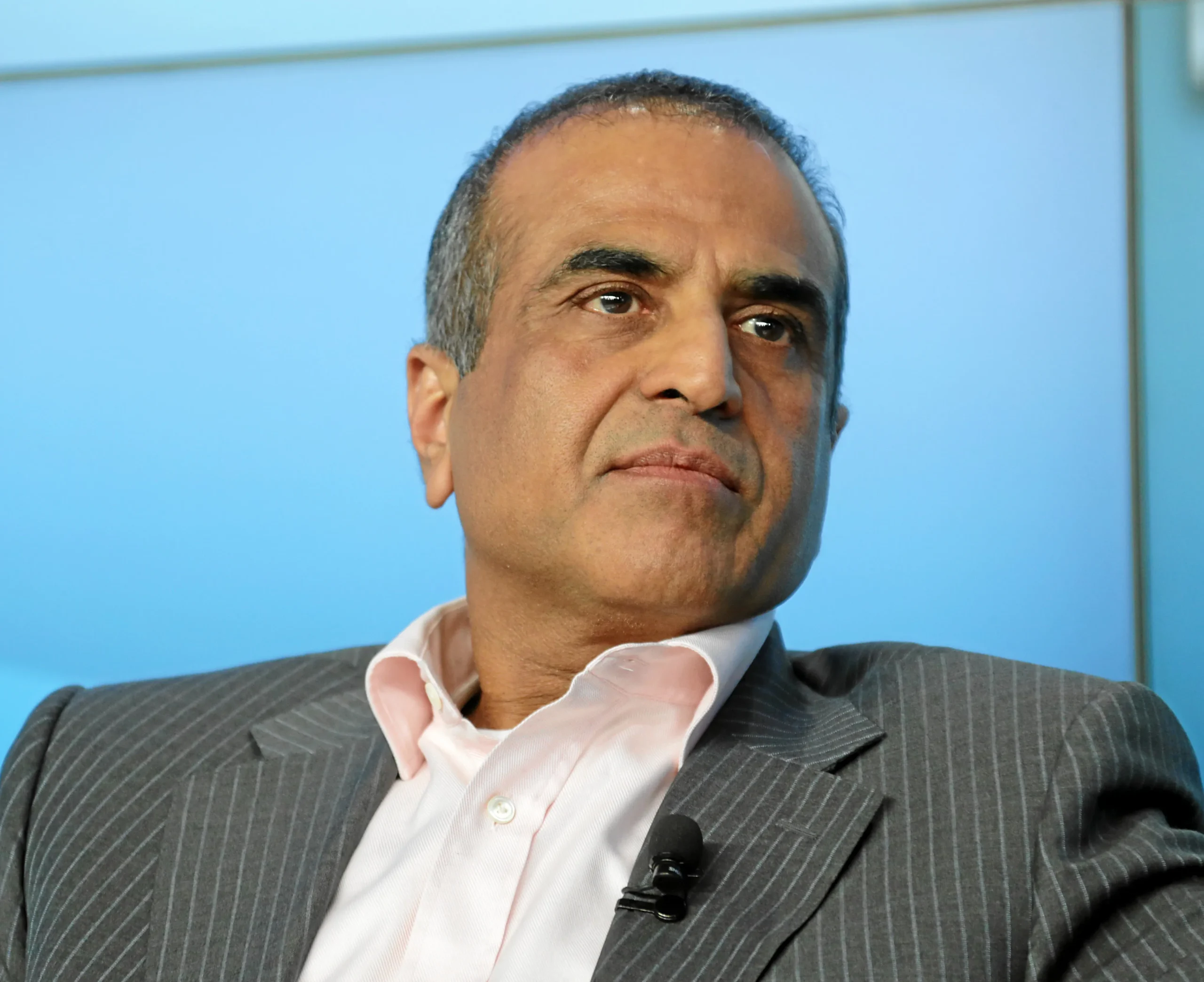
Commercial mobile calls began in the capital in 1995 under the Airtel banner. Airtime cost over sixteen rupees a minute. Callers paid just to receive an incoming ring. Skeptics said cell phones would never travel beyond corporate boardrooms and luxury hotels. Mittal disagreed. His goal was volume. Much like industrialist Kumar Mangalam Birla pursued swift capacity consolidation across critical manufacturing and telecom assets during the same post-reform decades, Mittal bought regional licenses across neighboring circles as quickly as regulations allowed.
Then came the move that changed global telecom economics. In 2004, Airtel outsourced its entire IT operation to IBM and handed the engineering, maintenance, and operation of its cellular radio masts to Ericsson and Nokia. In the international telecom fraternity, this was heresy. Operators were supposed to own their towers, cables, and code. Mittal converted capital expenditure into operational cost, paying vendors per minute of capacity consumed. Telecom became a utility pipeline. The savings let Airtel slash tariffs to fractions of a rupee, pulling millions of auto-rickshaw drivers, farmers, and shopkeepers into the wireless grid.
African Expansion, Price Wars, and Satellite Orbits
India was not large enough for Mittal’s ambition. In 2010, Bharti Airtel closed a $10.7 billion deal to acquire Kuwaiti carrier Zain’s operations across fourteen African countries. It was the largest cross-border purchase by an Indian corporate house up to that point. The continent tested every muscle. Regulatory regimes differed by country, electrical grids were patchy, and operations bled cash for years. Airtel restructured local teams, built independent distribution corridors, and persevered. Today, Airtel Africa trades independently on the London Stock Exchange and the Nigerian Exchange as a highly profitable network.
Back in India, a massive storm arrived in 2016. Reliance Jio entered the cellular arena with free voice calls and dirt-cheap data, backed by billions in cash reserves. More than half a dozen Indian telecom operators collapsed, merged in distress, or filed for bankruptcy. Airtel stayed upright. Mittal cut corporate costs, divested tower stakes via Indus Towers, raised equity, and focused heavily on retaining postpaid and high-usage urban subscribers. Operating with steady discipline, much like Anand Mahindra steering manufacturing groups through sharp cyclical contractions, Mittal kept Airtel profitable while the rest of the private field shrank.
In 2020, Mittal took another unexpected bet. When satellite internet venture OneWeb collapsed into Chapter 11 bankruptcy in the UK, Bharti teamed up with the British Government to rescue the business. OneWeb launched hundreds of low-Earth orbit satellites to provide polar and maritime broadband. By 2023, OneWeb merged into French satellite powerhouse Eutelsat Group, positioning Bharti Enterprises as the largest shareholder and Mittal as Co-Chairman.
Bharti Foundation and Rural Schools
Mittal launched the Bharti Foundation in 2000. He bypassed standard corporate gift-giving to focus on primary education in rural villages. The cornerstone initiative, the Satya Bharti School Program, runs across rural pockets of Punjab, Rajasthan, Haryana, and West Bengal.
The schools provide free education, uniforms, books, and hot mid-day meals, with special priority given to young girls who might otherwise drop out to assist with domestic labor. The foundation also endowed the Bharti School of Telecommunication Technology and Management at IIT Delhi. Like fellow business and technology leaders Nandan Nilekani and Kiran Mazumdar-Shaw, who have anchored personal philanthropic foundations around technical research and institutional healthcare, Mittal focused his capital on foundational institutions.
Personal Life and Royal Recognition
Mittal lives in New Delhi with his wife, Nyna Mittal. His twin sons, Kavin and Shravin, chose tech ventures: Kavin founded messaging app Hike, while Shravin runs tech investment group Unbound. His daughter, Eiesha Mittal Bharti, works across private family initiatives. Mittal follows an unpretentious daily routine, starting mornings with yoga and brisk walks.
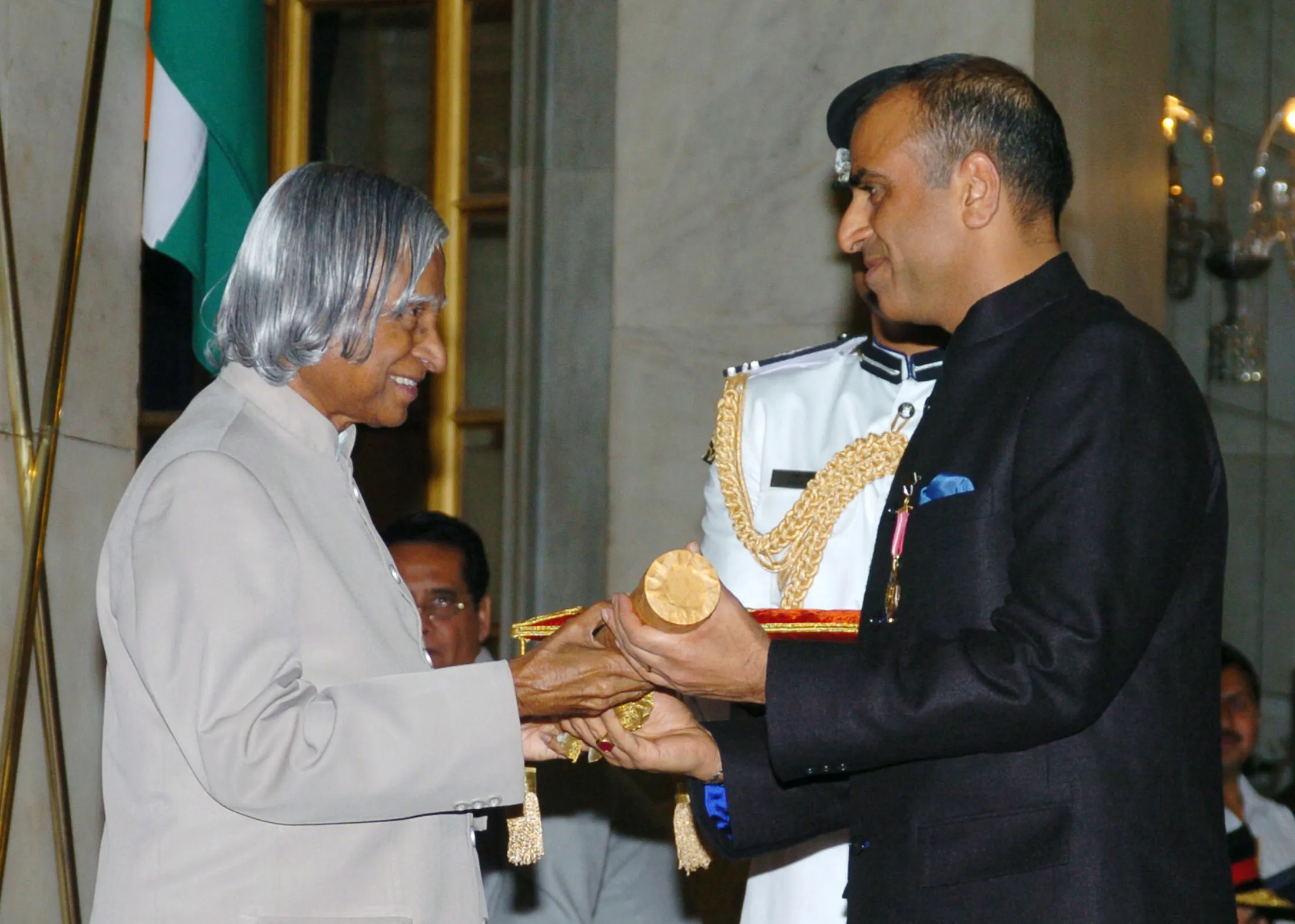
In 2007, President A.P.J. Abdul Kalam presented him with the Padma Bhushan at Rashtrapati Bhavan. In February 2024, King Charles III conferred upon him an Honorary Knighthood as a Knight Commander of the Most Excellent Order of the British Empire (KBE). The honor recognized his extensive work advancing bilateral trade and commercial cooperation between the UK and India, making Mittal the first Indian citizen to receive the title under King Charles III.
Sunil Bharti Mittal Social Media Presence & Verified Accounts
Sunil Bharti Mittal avoids personal social media feeds, preferring direct corporate communications. Statements and group announcements are distributed through official enterprise channels:
| Platform | Account / Entity | Verified Link |
|---|---|---|
| Official Website | Bharti Enterprises Group Portal | bharti.com |
| X (Twitter) | Bharti Airtel Official (@airtelindia) | x.com/airtelindia |
| Bharti Enterprises Company Profile | linkedin.com/company/bharti-enterprises | |
| Airtel India Official | facebook.com/AirtelIndia | |
| YouTube | Airtel India Official Channel | youtube.com/@AirtelIndia |
Frequently Asked Questions About Sunil Bharti Mittal
What is Sunil Bharti Mittal’s measured height?
Sunil Bharti Mittal is 5 feet 7 inches tall, which equals 170 centimeters.
How old is Sunil Bharti Mittal?
He was born on October 23, 1957. He is 69 years old as of November 2026.
How did Sunil Mittal start his business career?
In 1976, at eighteen, he borrowed ₹20,000 from his father to manufacture bicycle crankshafts in Ludhiana. He later imported portable Suzuki generators and push-button telephone sets before securing a Delhi cellular license in 1992.
Why did King Charles III knight Sunil Mittal in 2024?
In February 2024, King Charles III made Mittal an Honorary Knight Commander of the Most Excellent Order of the British Empire (KBE) for his leadership in strengthening business and investment links between the UK and India.
What is Sunil Bharti Mittal’s net worth?
Financial indices like Forbes and Bloomberg estimate his family wealth between $15 billion and $21 billion. The valuation is derived from public market equity in Bharti Airtel and fluctuates with daily share prices.
Who are the members of Sunil Mittal’s family?
He is married to Nyna Mittal. They have three children: twin sons Kavin and Shravin Bharti Mittal, and daughter Eiesha Mittal Bharti. His father was the late politician Sat Paul Mittal, and his brothers are Rakesh and Rajan Bharti Mittal.