Devkinandan Thakur Biography: Age, Height, Katha, Temple & Spiritual Journey
Comprehensive Devkinandan Thakur biography exploring his early life in Mathura, Nimbarka training in Vrindavan, Priya Kant Ju temple, Katha discourses, and verified social accounts.
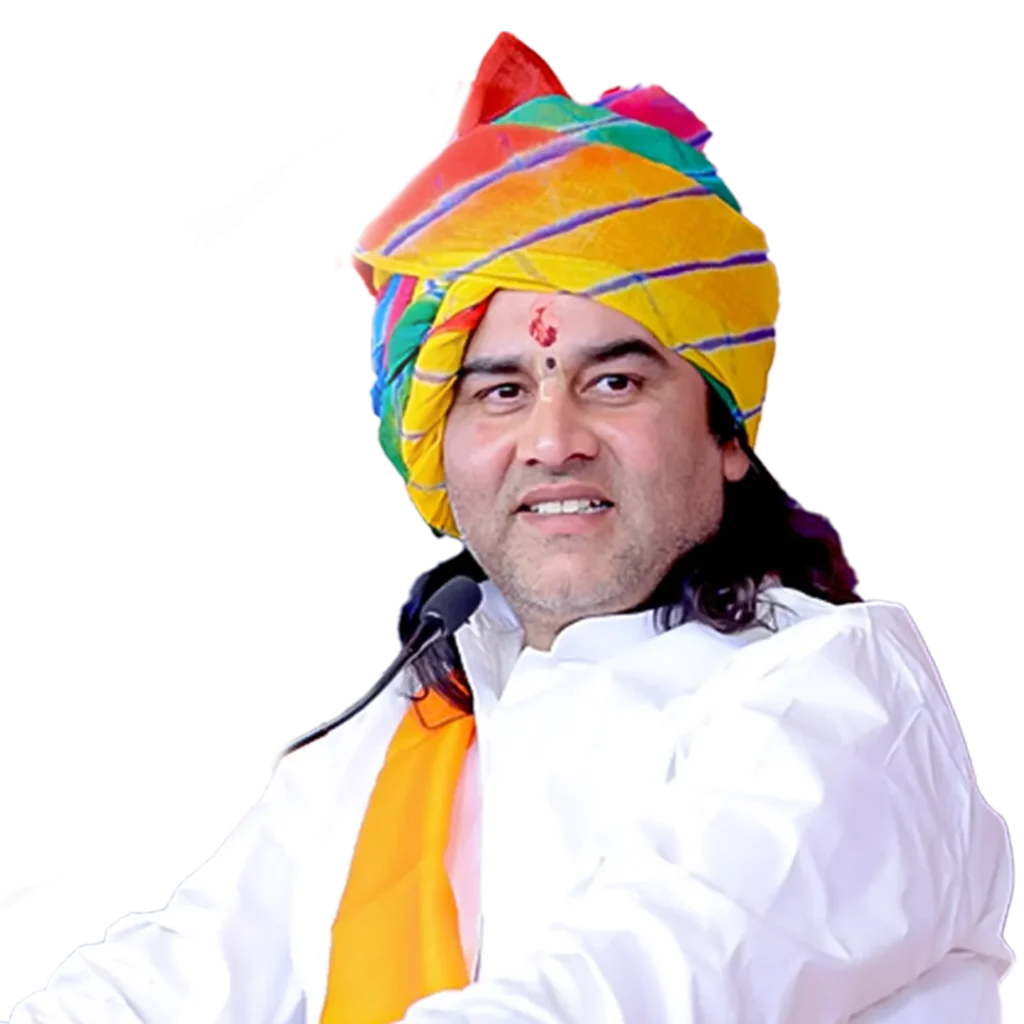
Photo: Vishwa Shanti Sewa Charitable Trust (vssct.com)
Devkinandan Thakur has narrated the Shrimad Bhagwat Katha across northern India since 1997. Followers know him as Thakurji Maharaj. At six, young Devkinandan moved to Vrindavan after watching Rasleela plays in his village. He took up acting as Krishna in the local Braj troupe. Locals in Vrindavan started calling the young boy Thakurji. Under guru Purushottam Sharan Shastri of Nimbarka Sampradaya, he learned Sanskrit grammar and Vedic hymns. He memorised all 18,000 shlokas of the Shrimad Bhagwat Mahapuran before turning fourteen. During katha recitations in Ranchi, thousands of people sat in the Harmu maidan listening to the story of King Parikshit. The temple opened to devotees in February 2016. He has spoken out publicly for a national Sanatan Board to manage Hindu temple properties. This comprehensive Devkinandan Thakur biography examines his early life in Mathura district, traditional scriptural schooling in Vrindavan, the founding of the Priya Kant Ju Temple, and his contemporary social initiatives.
| Biographical Detail | Verified Information |
|---|---|
| Full Name | Devkinandan Sharma (Devkinandan Thakur) |
| Date of Birth | 12 September 1978 |
| Age | 48 years (as of November 2026) |
| Birthplace | Ohawa Village, Mant Tehsil, Mathura, Uttar Pradesh, India |
| Height | 1.73 m (5 ft 8 in) |
| Spiritual Lineage | Nimbarka Sampradaya |
| Preceptor (Sadguru) | Bhagwat Acharya Purushottam Sharan Shastri Ji Maharaj |
| Parents | Rajveer Sharma (Father), Anasuiya Devi (Mother) |
| Key Institutions | Vishwa Shanti Sewa Charitable Trust, Priya Kant Ju Temple |
| Major Honours | UP Ratna, Shanti Doot (Ambassador of Peace) |
| Financial Status | Public trust accounts; personal net worth not publicly verified |
Devkinandan Thakur Biography, Early Life, and Spiritual Roots in Mathura
Childhood days unfolded in Ohawa village in Mathura’s Mant tehsil. Born into a Brahmin family on 12 September 1978, Devkinandan grew up watching his father Rajveer Sharma tend farm plots near the Yamuna river. His mother Anasuiya Devi kept sacred basil plants in their courtyard and read verses from the Ramayana after dusk. At six, young Devkinandan moved to Vrindavan after watching Rasleela plays in his village. He took up acting as Krishna in the local Braj troupe. Locals in Vrindavan started calling the young boy Thakurji. He memorised Braj folk poetry quickly. Elders in Mathura noticed that he preferred singing temple kirtans over working in the fields. That childhood role of Krishna gave him the name Thakurji that followers still use today.
The cultural setting of Braj exerted an immediate influence on his outlook. In rural Mathura, traditional devotional dramas form a regular part of community life during festival seasons. Young Devkinandan immersed himself in these presentations, internalising the emotional expressions and melodic cadence of Braj folk music. His natural ability to remember complex songs and dramatic dialogues impressed local troupe leaders, who encouraged him to dedicate himself entirely to spiritual studies rather than rural farming.
Scriptural Training, Education, and Initiation in Vrindavan
During his early adolescence, Devkinandan left Ohawa village for good and settled in Vrindavan to study scriptures formally. He found a teacher in Bhagwat Acharya Purushottam Sharan Shastri of the Nimbarka Sampradaya. The Nimbarka tradition focuses on devotion to Radha and Krishna under the philosophical framework of Dvaitadvaita. Under Shastri, Devkinandan received formal diksha and began daily lessons in Sanskrit grammar, Vedic chants and Puranic literature.
His study routine was famously strict. Under Purushottam Sharan Shastri of Nimbarka Sampradaya, he learned Sanskrit grammar and Vedic hymns. He memorised all 18,000 shlokas of the Shrimad Bhagwat Mahapuran before turning fourteen. Trust archives say the young student set a personal rule never to touch breakfast or noon meals until he had committed his morning quota of Sanskrit shlokas to memory. That early memorisation gave him the ability to recite long Sanskrit passages without holding a printed book on stage.
Shrimad Bhagwat Katha Recitations and Public Oratory Career
Devkinandan started giving public discourses in 1997 when he turned nineteen. His early programmes took place in small towns across Uttar Pradesh, Rajasthan and Madhya Pradesh. Instead of giving dry scholarly lectures, he mixed musical kirtans and Braj folk tunes into his katha sessions. He explained classical philosophical concepts using straightforward village examples, which made the discourses accessible to farmers, traders and urban families alike.
Word of his melodic katha recitations spread quickly through religious networks in northern India. Organisers began booking him for week-long Shrimad Bhagwat Katha programmes in cities such as Delhi, Mumbai, Kolkata, Kanpur, and Ranchi. During katha recitations in Ranchi, thousands of people sat in the Harmu maidan listening to the story of King Parikshit. He told listeners that human life is short and should be spent in charity and prayer. Vast congregations assembled under temporary tents to hear his sermons.
He later travelled abroad to deliver kathas for overseas Indian communities. Over the past two decades, he has conducted spiritual programmes across the United Kingdom, the United States, Singapore, Malaysia, and the United Arab Emirates. During these tours, he focused on teaching cultural values to young diaspora families while gathering charitable support for educational and healthcare projects back home in India.
Priya Kant Ju Temple and the Vishwa Shanti Sewa Charitable Trust
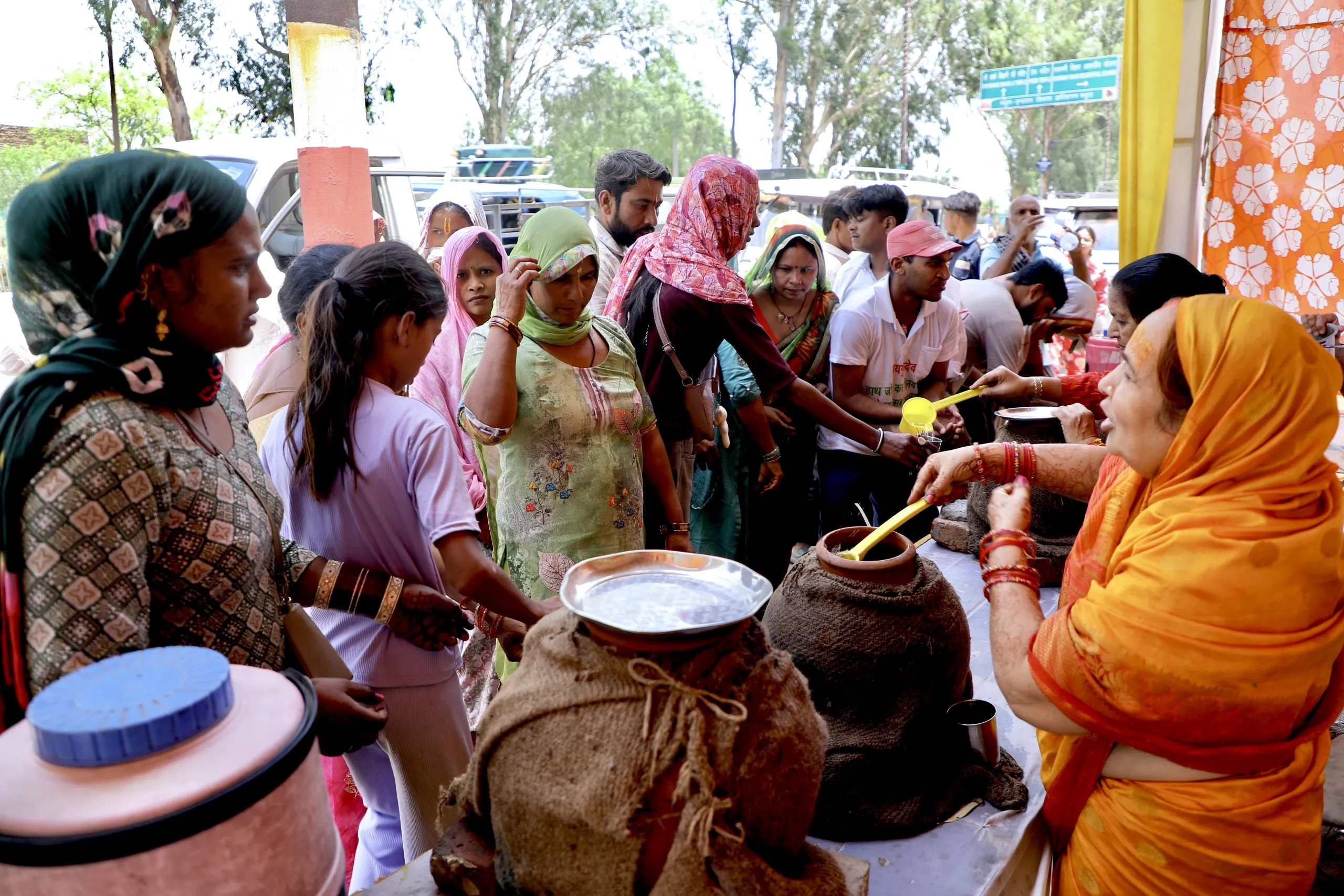
To put his religious work into charitable action, Devkinandan registered the Vishwa Shanti Sewa Charitable Trust under the Indian Trust Act on 20 April 2006. Operating from Vrindavan, the trust runs welfare projects across northern India. Its regular activities include feeding programmes for pilgrims, free health clinics, cow protection shelters, and financial assistance for wedding expenses of young women from low-income families.
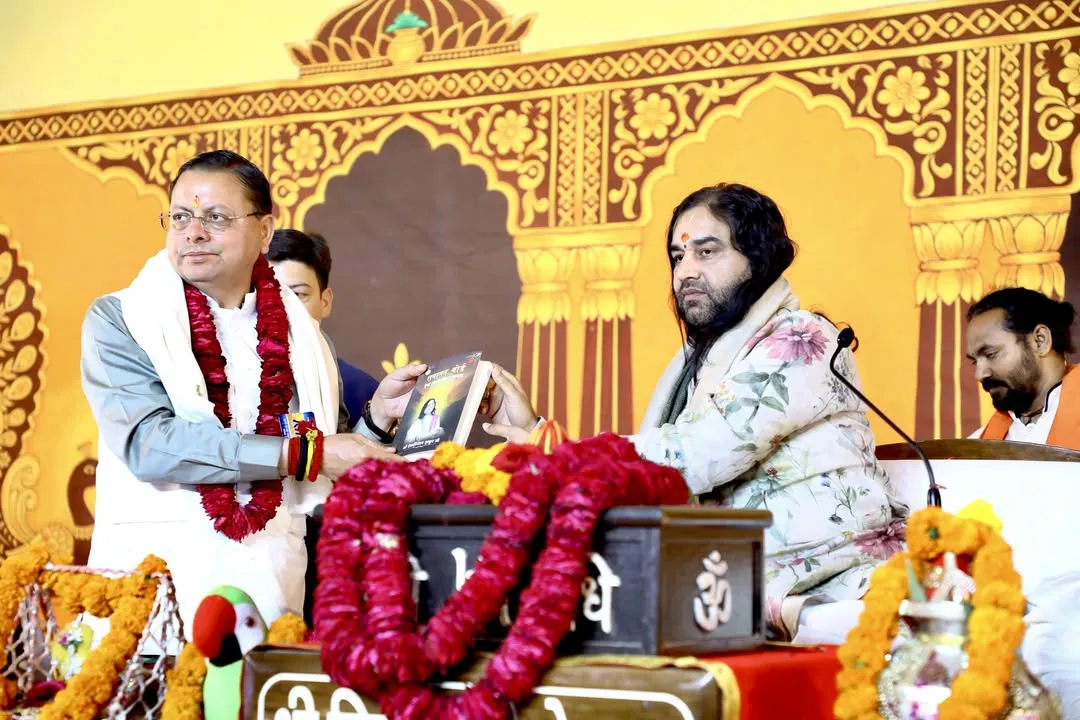
The temple opened to devotees in February 2016. Shaped like a blooming lotus, the Priya Kant Ju mandir stands 125 feet high on the Chhatikara Vrindavan road. Devotees from across India contributed to its construction across two and a half acres. Inside sit consecrated marble deities of Radha and Krishna. The surrounding ashram provides guest rooms, a community kitchen and free medical dispensaries for visiting pilgrims.
Social Campaigns, Cow Protection, and the Sanatan Board Movement
Alongside his religious discourses, Devkinandan has taken strong public stances on social issues in India. He has campaigned for cow protection for more than twenty years, calling for action against illegal slaughterhouses and helping set up gaushalas across Uttar Pradesh and Rajasthan. His trust runs shelters that provide fodder, clean water and veterinary care to old and abandoned cattle.
He has spoken out publicly for a national Sanatan Board to manage Hindu temple properties. Speaking at religious convocations in Mathura and New Delhi, he argued that Hindu temples should be run by spiritual teachers and scholars rather than state bureaucrats. He pointed out that temple donations ought to fund religious schools, Sanskrit gurukuls, neglected shrines and gaushalas rather than going into government treasury accounts. His proposal has generated active public discussion among legal experts, community leaders and government officials.
Over the years, cultural organisations have honoured him with awards such as the UP Ratna and the title of Shanti Doot, or Ambassador of Peace. He lives as a traditional monk in Vrindavan, following a simple personal routine while directing trust funds toward public welfare initiatives.
Devkinandan Thakur Social Media Presence & Verified Accounts
Thakur maintains active digital accounts to share daily katha clips, live festival broadcasts and spiritual teachings with his followers. Devotees and researchers can find his verified official profiles at the links listed below.
| Platform | Account Handle / Channel | Verified Web Link |
|---|---|---|
| Official Website | Vishwa Shanti Sewa Charitable Trust | vssct.com |
| YouTube | @DevkinandanThakurJiMaharaj | youtube.com/@DevkinandanThakurJiMaharaj |
| X (formerly Twitter) | @DN_Thakur_Ji | x.com/DN_Thakur_Ji |
| @shridevkinandanthakurjimaharaj | instagram.com/shridevkinandanthakurjimaharaj | |
| shridevkinandanthakurjivssct | facebook.com/shridevkinandanthakurjivssct |
Related Spiritual and Cultural Leaders
Readers exploring Indian devotional traditions, scriptural discourses, and cultural movements can also read the following profiles on SilentRend:
- Premanand Maharaj: Explore the life, Radha Keli Kunj ashram, and devotional legacy of the Vrindavan-based spiritual master.
- Sadhguru: Discover the journey, Isha Foundation initiatives, and global environmental programmes led by Jaggi Vasudev.
- Sri Sri Ravi Shankar: Read about the Art of Living founder, international peace mediation, and Sudarshan Kriya teachings.
- Gaur Gopal Das: Learn about the engineering graduate who became an ISKCON monk, bestselling author, and global motivational orator.