Taylor Swift Biography: Age, Height, Albums, Grammys, The Eras Tour and Net Worth
Taylor Swift biography: verified 180 cm height, 36-year age, 14 Grammy Awards, The Eras Tour record gross, catalog re-recordings, net worth facts, and verified social media accounts.
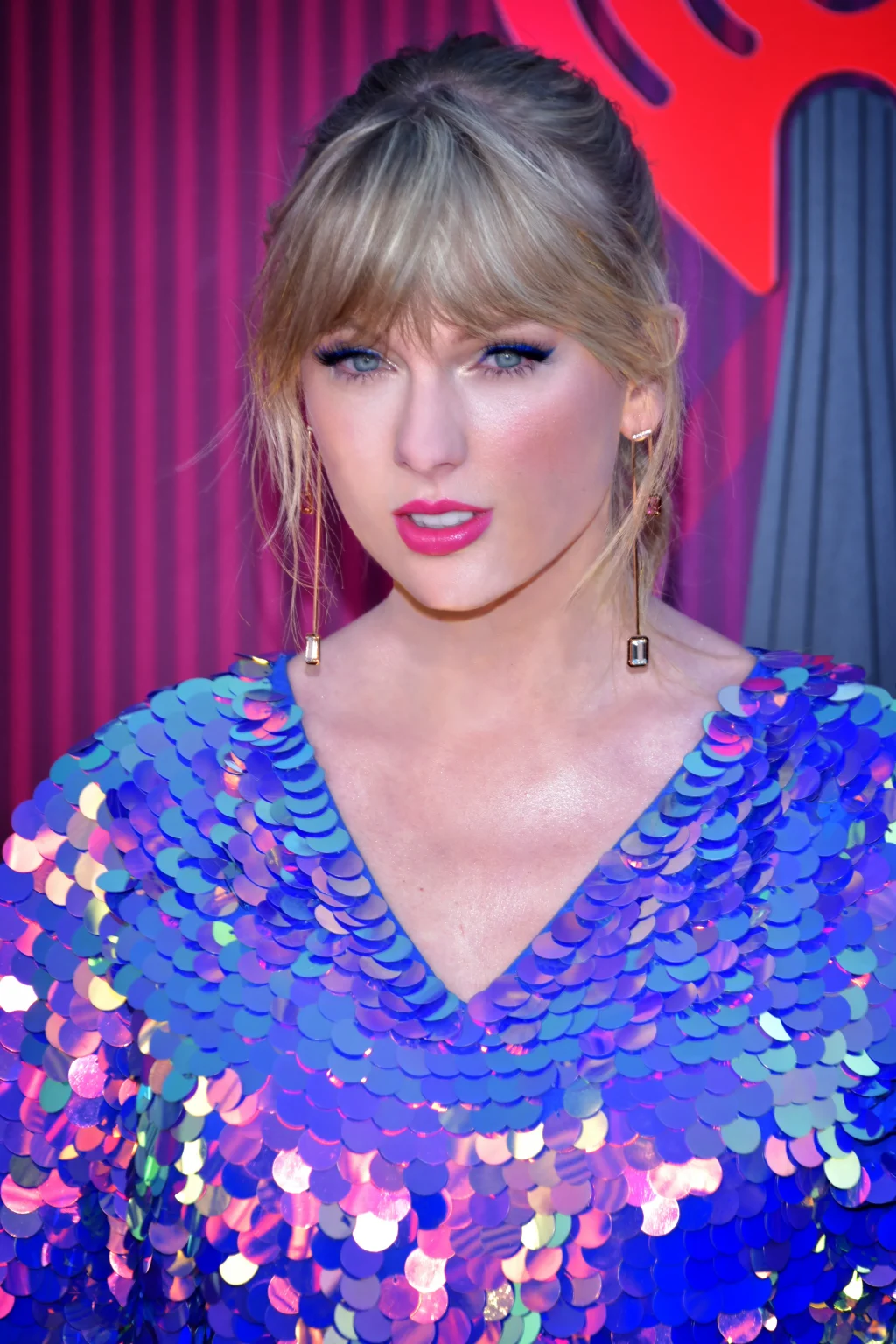
Photo: Glenn Francis / Pacific Pro Digital via Wikimedia Commons (CC BY-SA 4.0)
Few careers in pop music run twenty years without a single catastrophic dip in public attention. Taylor Swift managed it by treating songwriting like a trade craft rather than divine inspiration. She started in Nashville as a teenager with a twelve-string guitar, outmaneuvered Music Row veterans, conquered global stadium pop, and then pulled off the sharpest commercial counterstrike in modern recording history by re-recording her own catalog note for note.
Four Album of the Year Grammys. Nobody else has done that. Fearless took the trophy in 2010. 1989 won in 2016. Folklore took it in 2021. Midnights sealed the record in 2024.
Then came The Eras Tour. Across 149 stadium nights ending in Vancouver in December 2024, she pulled in more than $2 billion in ticket receipts. It broke every gross revenue benchmark in concert history. Yet underneath the arena mechanics, her core engine has barely changed since she was fourteen: specific, detail-obsessed diary writing set to memorable melodies.
Quick Biography & Key Facts
| Full Name | Taylor Alison Swift |
|---|---|
| Date of Birth | December 13, 1989 |
| Current Age | 36 years old (as of November 2026) |
| Birthplace | West Reading, Pennsylvania, United States |
| Physical Height | 1.80 m (180 cm / 5 ft 11 in); Wikidata logs 178 cm (5 ft 10 in) |
| Parents | Scott Kingsley Swift and Andrea Gardner Swift (née Finlay) |
| Siblings | Austin Swift (younger brother, film producer and actor) |
| Education | Wyomissing Area Jr/Sr High School; Hendersonville High School; Aaron Academy (graduated 2008) |
| Grammy Awards | 14 wins (out of 63 nominations); 4-time Album of the Year winner |
| Record Labels | Big Machine Records (2005–2018); Republic Records / Universal Music Group (2018–present) |
| Official Website | taylorswift.com |
Early Roots: From Christmas Tree Farm to Nashville Apprenticeship
Swift grew up on an 11-acre Christmas tree farm in Cumru Township, outside Reading, Pennsylvania. Her father, Scott Kingsley Swift, was a third-generation Merrill Lynch stockbroker. Her mother, Andrea, had worked in marketing for mutual funds. The household had financial stability, but Taylor had an obsessive streak that money could not buy.
She sang constantly. By age ten, she was performing at local fairs, karaoke contests, and sports events. A local computer repairman named Ronnie Cremer showed her three basic chords on an acoustic guitar. That sparked her first real songwriting attempts. She started filling spiral notebooks with lyrics every evening after school.
At age eleven, she convinced her mother to drive her to Nashville. Swift walked into every major label office on Music Row handing receptionist desks a homemade demo cassette of her singing along to Dolly Parton and LeAnn Rimes. She was rejected across the board. The experience taught her a blunt lesson: singing someone else’s songs would never get her signed. She had to write her own material.
Her family backed her ambition. When Swift was fourteen, Scott Swift transferred his brokerage desk to Merrill Lynch’s office in Nashville, and the family bought a home in Hendersonville, Tennessee. That same year, 2004, Sony/ATV Tree Publishing signed her as their youngest staff songwriter. She spent afternoons co-writing with seasoned Nashville writers like Liz Rose. To keep up with career demands, she transferred from Hendersonville High School to Aaron Academy, completing her coursework through tutoring and graduating a year early in 2008.
Country Stardom: Fearless and First Grammy Milestones (2006–2011)
In 2005, during an industry showcase at the Bluebird Cafe, DreamWorks Records executive Scott Borchetta watched Swift perform. He was launching an independent startup label called Big Machine Records. Swift took the gamble and became one of his first signings.
Her self-titled debut arrived in October 2006. She was sixteen years old. Industry insiders doubted teenage country songs could sell on mainstream radio, but “Tim McGraw” and “Teardrops on My Guitar” proved them wrong. The debut spent 157 weeks on the Billboard 200.
Her second album, Fearless, landed in November 2008. It became an absolute commercial juggernaut. Lead singles “Love Story” and “You Belong with Me” blurred the boundary between country radio and pop stations. In early 2010, at the 52nd Annual Grammy Awards, Fearless swept four categories, including Album of the Year. Swift was twenty years old—the youngest solo artist to take the honor up to that point.
Critics questioned whether her teenage co-writers and producers had done the heavy lifting. Swift responded by writing every single word and melody on her follow-up album, Speak Now (2010), entirely by herself. The record sold over one million copies in its first week in the United States.
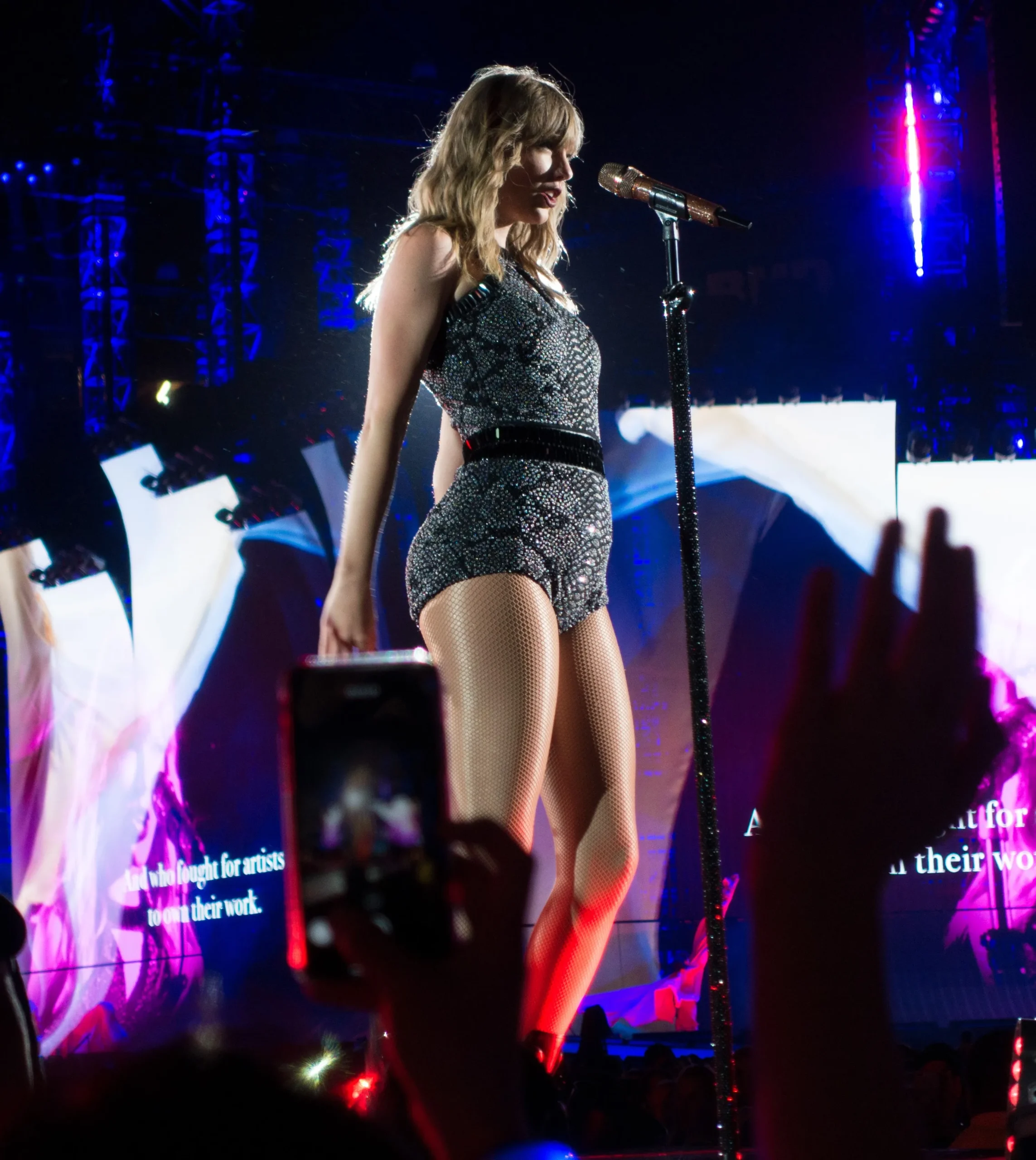
Genre Reinvention: Red, 1989, and Synth-Pop Mastery (2012–2016)
By 2012, country radio was becoming a creative cage. Swift wanted bigger drums, synthetic loops, and stadium dynamics. On Red, she brought in Swedish hitmakers Max Martin and Shellback alongside Dan Wilson and Jeff Bhasker. Tracks like “We Are Never Ever Getting Back Together” and “I Knew You Were Trouble” leaned openly into electronic pop, while the ten-minute fan-favorite “All Too Well” preserved her narrative bite.
The definitive jump happened with 1989 in October 2014. Swift formally announced she was leaving country music behind. The album yielded three number-one Billboard Hot 100 hits: “Shake It Off,” “Blank Space,” and “Bad Blood.”
At the 2016 Grammy Awards, 1989 captured Album of the Year. That win made Swift the first woman in history to win Album of the Year twice as a solo headliner. She had crossed genres cleanly without shedding her core fan base.
Swift’s artistic shift paved the way for a new generation of confessional pop writers. Artists like Sabrina Carpenter’s breakout pop career and tour milestones and Olivia Rodrigo’s songwriting journey and Grammy-winning hits frequently credit Swift’s genre mobility and lyrical directness as their primary inspiration.
The Masters Dispute and the “Taylor’s Version” Precedent (2017–2021)
In 2017, following a prolonged media feud and public hiatus, Swift returned with Reputation. The album leaned into aggressive trap-pop beats and industrial textures. The 2018 stadium tour broke the record for the highest-grossing North American tour in history.
Her Big Machine contract expired in late 2018. Swift walked away and signed with Republic Records and Universal Music Group. Her central demand was simple: she would own all future master recordings herself. Six months later, in June 2019, Big Machine was sold to talent manager Scooter Braun’s Ithaca Holdings for an estimated $300 million. Her six-album catalog was transferred without giving her a realistic opportunity to buy it back.
Swift went public with her fury. Then she launched a counter-strategy nobody in the music industry anticipated: she announced she would re-record all six albums from scratch.
Because Swift had written or co-written every song, she owned the underlying publishing copyrights. Re-recording allowed her to create new master tracks, slap “Taylor’s Version” on the title, add previously unreleased “From the Vault” songs, and urge fans and commercial licensing agencies to license only her new recordings. Fearless (Taylor’s Version) arrived in April 2021, followed by Red (Taylor’s Version) in November. Both debuted at number one. The originals plummeted in commercial licensing value.
During the pandemic year of 2020, Swift also bypassed the traditional pop promotional cycle entirely. Working remotely with Aaron Dessner of The National and Jack Antonoff, she released two indie-folk records without warning: Folklore and Evermore. Stripping back electronic synthesizers for acoustic guitars and melancholic piano ballads, Folklore won Album of the Year at the 2021 Grammys—her third victory in the category.
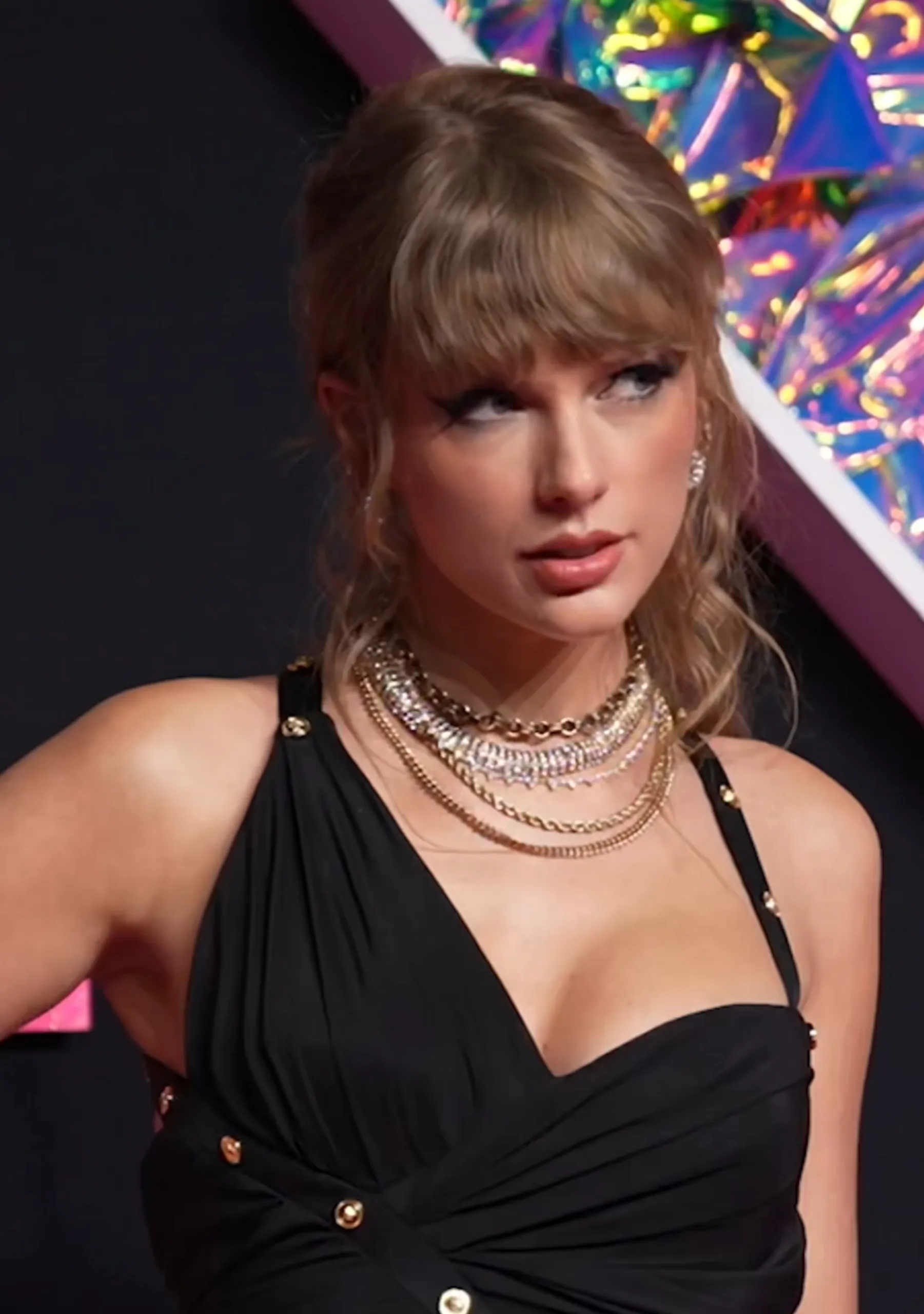
The Eras Tour Phenomenon and Fourth Album of the Year (2022–2026)
In October 2022, Swift dropped Midnights. The concept album became a streaming tsunami, taking all top ten spots of the Billboard Hot 100 in a single tracking week. When the 66th Annual Grammy Awards took place in February 2024, Midnights won Album of the Year. It made Swift the only four-time winner in Grammy history, breaking the previous three-win tie held by Frank Sinatra, Stevie Wonder, and Paul Simon.
Then came the stadium monster: The Eras Tour. Spanning 44 songs over three and a half hours, the show covered all ten distinct musical eras of her career. Stadiums packed in 70,000 fans per night. Fans traded handmade friendship bracelets by the millions. In Seattle, crowd jumping generated seismic activity equivalent to a 2.3-magnitude earthquake.
By its final bow in Vancouver in December 2024, the tour had grossed over $2.07 billion across 149 dates. That total blew past every touring milestone ever recorded. Along the way, Swift released her double album The Tortured Poets Department in April 2024, moving 2.6 million equivalent album units in its first week alone.
Her touring numbers sit in rare company alongside fellow stadium-fillers like Ed Sheeran’s stadium tours and collaborative songwriting catalog, while her generational chart run mirrors the cultural force of peers such as Billie Eilish’s groundbreaking albums and Grammy victories.
Physical Stature, Voice, and Musicianship
Swift stands 1.80 meters tall (180 cm / 5 ft 11 in). Some reference sites list 178 cm (5 ft 10 in), but Swift confirmed her 5’11” height during early interviews, joking that standing a head taller than everyone else felt awkward as a teenager before becoming a major visual asset on stadium runways.
She possesses a flexible mezzo-soprano vocal range spanning three octaves. Swift has never positioned herself as an athletic, vocal-gymnastics belter. Instead, her strength lies in conversational phrasing, rhythmic agility, and emotional delivery. She can switch from the sharp, sarcastic bite of “Blank Space” to the hushed, breathy grief of “Marjorie” without missing a beat.
On stage, she regularly plays acoustic and electric guitar, piano, banjo, and ukulele, anchoring extended three-hour stadium sets with solo acoustic performances.
Family Roots, Relationships, and Philanthropic Giving
Swift’s operation remains an intensely close family enterprise. Her mother, Andrea, has traveled with her on tour for twenty years, managing fan initiatives and backstage operations. Her father, Scott, handles logistics and VIP guest relations. Her brother, Austin Swift, graduated from Notre Dame and produces her concert films and music videos, including “I Bet You Think About Me.”
Her high-profile relationship with Kansas City Chiefs tight end Travis Kelce became an international media spectacle beginning in late 2023, cross-pollinating NFL broadcasts with pop culture audiences worldwide.
Swift’s philanthropy focuses on direct local relief. Throughout The Eras Tour, she made quiet, unannounced six-figure donations to regional food banks in every single city where she performed, funding hundreds of thousands of meals. She has contributed significant funds to disaster relief in Tennessee, public libraries, music education at the Country Music Hall of Fame, and legal funds for sexual assault survivors.
Financial Milestones and The Billion-Dollar Reality
In late 2023, Forbes and Bloomberg estimated Taylor Swift’s net worth had crossed the $1.1 billion mark, climbing to approximately $1.6 billion USD following the conclusion of The Eras Tour. Her balance sheet is virtually unique among music billionaires: it does not rely on cosmetics brands, clothing lines, or liquor partnerships. Her wealth stems almost entirely from music royalties, catalog ownership, and ticket sales.
Her catalog alone is valued at hundreds of millions of dollars. However, personal wealth estimates across media outlets remain financial models based on gross receipts, not audited private bank statements. Personal taxes, tour overhead, crew salaries, staging costs, and real estate upkeep are not public records.
Taylor Swift Social Media Presence & Verified Accounts
Fans and media can access Taylor Swift’s verified official platforms through the direct links below:
| Platform | Verified Handle / Profile | Direct Link |
|---|---|---|
| Official Website | Taylor Swift Official | taylorswift.com |
| @taylorswift | instagram.com/taylorswift | |
| X (Twitter) | @taylorswift13 | twitter.com/taylorswift13 |
| Taylor Swift | facebook.com/TaylorSwift | |
| YouTube | @TaylorSwift | youtube.com/taylorswift |
Frequently Asked Questions
Question: How tall is Taylor Swift?
Answer: Taylor Swift stands 1.80 meters tall (180 cm / 5 feet 11 inches). While some databases record her at 178 cm (5 feet 10 inches), Swift confirmed her 5 ft 11 in frame in early print interviews.
Question: How old is Taylor Swift?
Answer: Taylor Swift is 36 years old as of November 2026. She was born on December 13, 1989, in West Reading, Pennsylvania.
Question: How many Grammy Awards has Taylor Swift won?
Answer: Taylor Swift has won 14 Grammy Awards out of 63 nominations. She is the only artist in Grammy history to win Album of the Year four times, taking the award for Fearless, 1989, Folklore, and Midnights.
Question: Why did Taylor Swift re-record her early albums?
Answer: Swift re-recorded her first six studio albums under the “Taylor’s Version” banner after Big Machine Records sold her original masters to Ithaca Holdings in 2019 without giving her the option to purchase them outright. Re-recording allowed her to own the masters and publishing rights completely.
Question: How much money did The Eras Tour gross?
Answer: The Eras Tour officially grossed over $2.07 billion across 149 stadium shows between March 2023 and December 2024, becoming the highest-grossing concert tour in history.
Question: What is Taylor Swift’s net worth?
Answer: Forbes estimated Taylor Swift’s net worth at approximately $1.6 billion USD following the end of The Eras Tour. However, personal private net worth figures are not subject to public auditing.