Mark Rutte Biography: Age, Height, Career, NATO Leadership & Verified Facts
Mark Rutte biography covering his 14-year Dutch premiership, appointment as NATO Secretary General in October 2024, verified height, Unilever corporate background, and verified accounts.
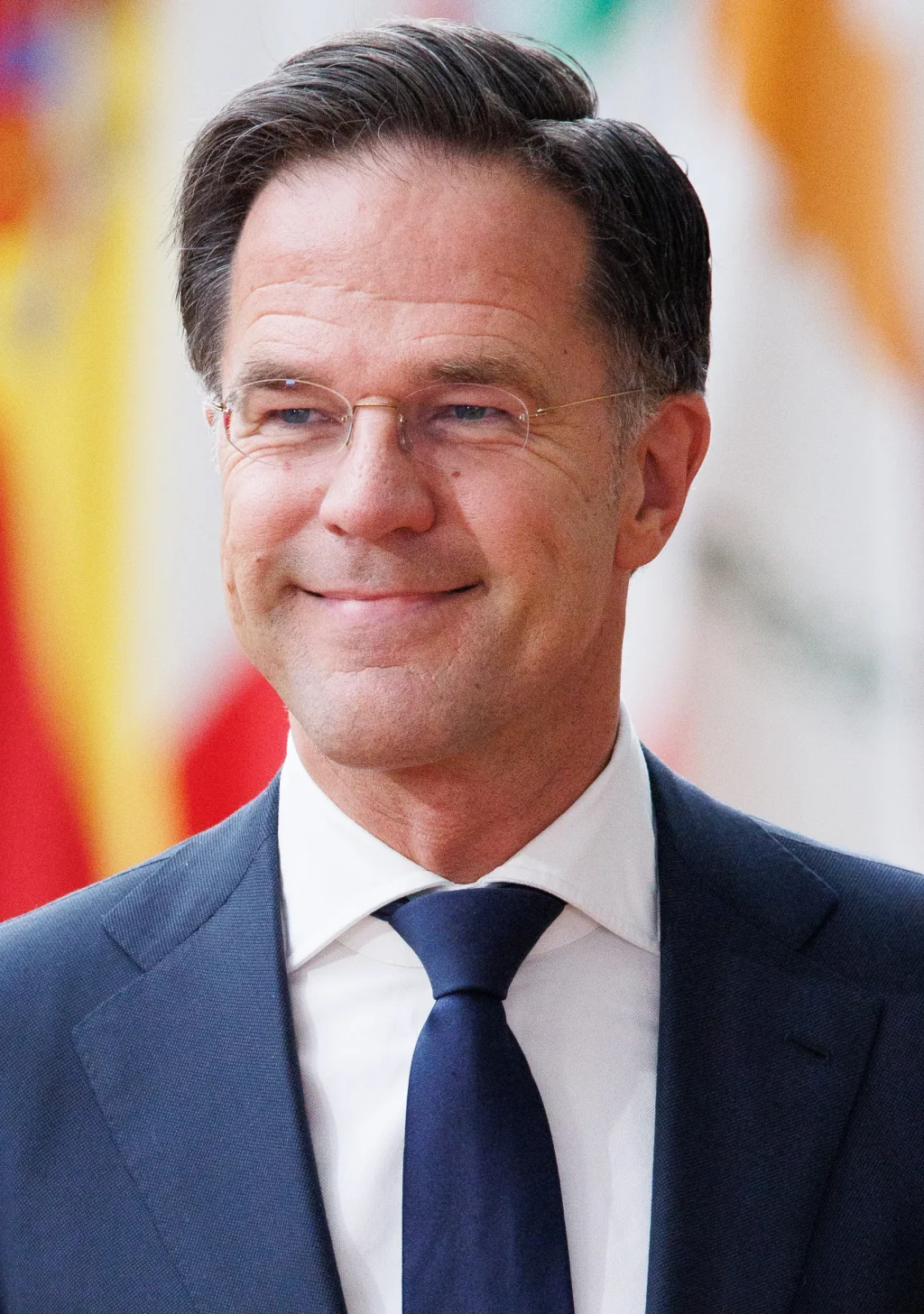
Photo: Christophe Licoppe / European Commission
Mark Rutte took charge of NATO on October 1, 2024. The move ended an unprecedented fourteen-year run as Prime Minister of the Netherlands, trading domestic Dutch coalition wrangling for thirty-two allied capitals and a headquarters in Brussels. He is the longest-serving head of government in modern Dutch history.
Most politicians build careers entirely inside party headquarters. Rutte did not. He spent a decade in corporate human resources at Unilever before entering parliament, a background that explain his famously stubborn, numbers-first bargaining style. In The Hague, colleagues called him Teflon Mark because political crises rarely stuck to him. At NATO, that exact resilience faces its steepest trial yet.
| Full Name | Mark Rutte |
|---|---|
| Current Office | 14th Secretary General of NATO (Assumed office October 1, 2024) |
| Previous Role | Prime Minister of the Netherlands (October 2010 – July 2024) |
| Date of Birth | February 14, 1967 |
| Age | 59 years old |
| Birthplace | The Hague, Netherlands |
| Height | 1.93 m (6 ft 4 in / 193 cm) |
| Education | Doctoraal (Master’s) in History, Leiden University (1992) |
| Political Party | People’s Party for Freedom and Democracy (VVD) |
| Marital Status | Unmarried (No children) |
| Private Sector Career | Human Resources Manager, Unilever (1992–2002) |
Early Roots, Piano Ambitions and Leiden University
Mark Rutte arrived on February 14, 1967, in The Hague. He was the youngest of seven children in a blended family. His father, Izaäk Rutte, worked in trading and survived years in a Japanese prisoner-of-war camp in the Dutch East Indies during the Second World War. His mother, Hermina Cornelia Dilling, worked as a secretary. It was a traditional, disciplined home.
Music came first. As a teenager attending the Maerlant Lyceum, Rutte practiced piano constantly. He wanted to enter a conservatory and become a concert pianist. That ambition faded around age sixteen when politics grabbed his attention. He joined the youth branch of the center-right People’s Party for Freedom and Democracy (JOVD) instead.
He studied Dutch history at Leiden University. Because he threw himself into organizing campaigns and served as national JOVD chairman between 1988 and 1991, his degree took eight years to finish. He graduated in 1992 with his master’s equivalent, focusing heavily on Dutch parliamentary history.
Ten Years Inside Corporate Unilever
Fresh out of university, Rutte skipped government offices and took a job at Unilever. He stayed ten years. From 1992 to 1997, he worked across personnel training and organizational changes. In 1997, Unilever appointed him staff manager at Van den Bergh Nederland, the subsidiary manufacturing Calvé peanut butter.
Later promotions placed him in Unilever’s corporate HR group and made him HR director at the IgloMora Group until 2002. Those corporate years set his political habits. He learned to manage contentious union talks, cut overheads without raising his voice, and separate personal feelings from institutional agreements.
Four Cabinets and Fourteen Years: The Dutch Premiership
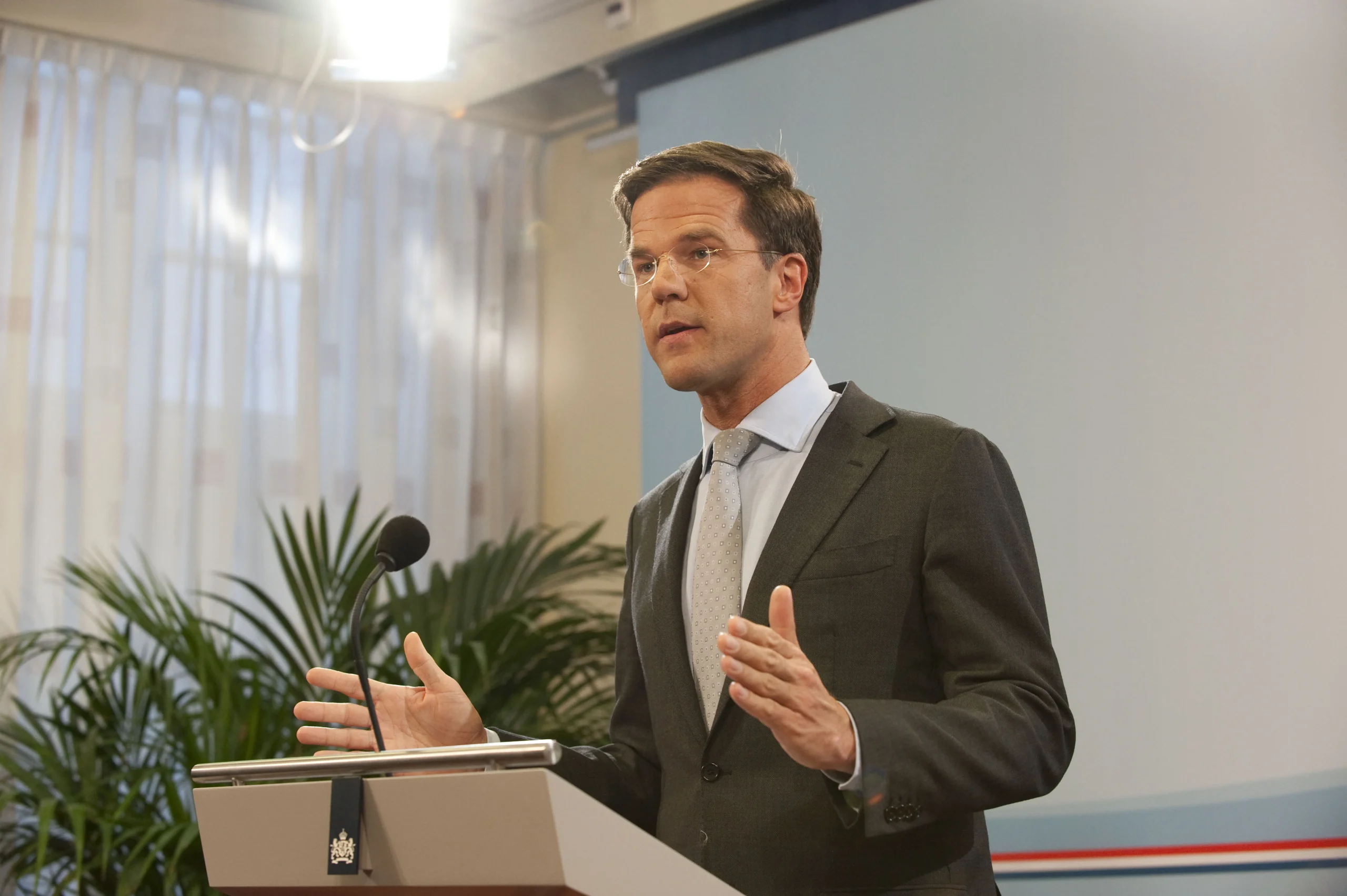
Rutte entered government in 2002 as State Secretary for Social Affairs and Employment under Jan Peter Balkenende, shifting to Education, Culture, and Science in 2004. By 2006, he had grabbed the leadership of the VVD. He pulled the party through opposition until 2010, when the VVD won thirty-one parliamentary seats. That victory made Rutte the first liberal Dutch prime minister in ninety-two years.
He stayed in power across four coalition governments: Rutte I, II, III, and IV. Governing the Netherlands requires assembling awkward parliamentary majorities. Rutte partnered with Christian democrats, the Labour Party, and left-leaning liberals in turn, adjusting policy planks whenever necessary to keep coalitions intact.
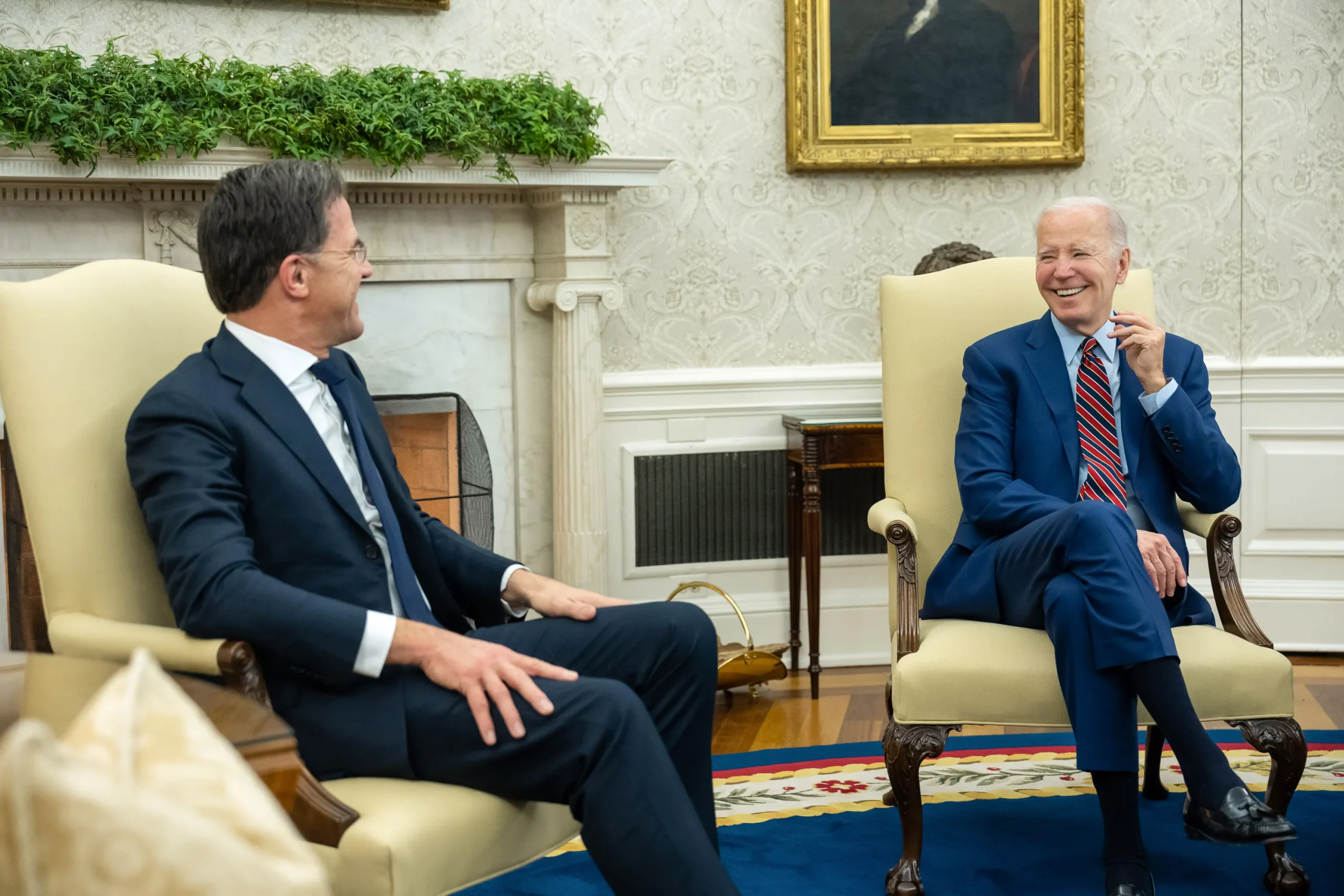
On the European stage, Rutte worked alongside French President Emmanuel Macron and Italian Prime Minister Giorgia Meloni to shape European Union budget and border rules. In security discussions, he coordinated closely with British leaders, including former Prime Minister Rishi Sunak and current Prime Minister Keir Starmer, on North Sea defense and military equipment transfers.
One day altered his outlook completely: July 17, 2014. Russian-backed forces shot down Malaysia Airlines Flight 17 over eastern Ukraine, murdering 298 civilians, including 196 Dutch citizens. Rutte abandoned his early fiscal hesitation and pushed hard for European sanctions against Moscow and multilateral air defense agreements.
A dispute over asylum restrictions eventually fractured his fourth cabinet in July 2023. Rutte declared he would leave national politics once an election settled the next government, concluding his prime ministership on July 2, 2024.
Leading NATO from Brussels
On October 1, 2024, Rutte took over as NATO’s 14th Secretary General, succeeding Jens Stoltenberg. All thirty-two allied members approved his selection. Allied capitals wanted an experienced manager capable of smoothing friction between European capitals and Washington.
His mandate is straightforward: accelerate ammunition manufacturing, enforce troop deployments along the Baltic and Polish borders, and maintain multi-year defense spending pledges across member nations. Rutte avoids grandiose speeches, sticking instead to concrete figures and Article 5 readiness.
Personal Habits, Height and Weekly Classroom Teaching
Rutte is 1.93 metres tall (6 feet 4 inches / 193 cm). His height is obvious whenever he stands beside international counterparts in group summit photos. Yet his day-to-day lifestyle remained stubbornly low-key throughout his political career.
He lived in the same modest apartment in The Hague’s residential Benoordenhout district for over a decade. He rode a secondhand bicycle to the prime minister’s office in the Binnenhof whenever weather allowed. He has never married, has no children, and keeps his private life out of the press.
Since 2008, Rutte has spent two hours every Thursday morning teaching social studies to teenagers at the Johan de Witt Scholengroep, a secondary vocational school in The Hague. He kept that weekly teaching appointment throughout his fourteen years as prime minister.
Mark Rutte Social Media Presence & Verified Accounts
| Platform | Account Handle / Channel | Verified Profile Link |
|---|---|---|
| X (NATO Secretary General) | @SecGenNATO | Visit Official NATO X Profile |
| X (Personal / Archive) | @MarkRutte | Visit Personal X Profile |
| @markopinsta | Visit Instagram Profile | |
| @markrutte | Visit Facebook Page | |
| Official NATO Biography | NATO Secretary General Portal | View Official NATO Biography |
Frequently Asked Questions
Question: How tall is Mark Rutte?
Answer: Mark Rutte stands 1.93 metres tall, which equals 6 feet 4 inches (193 cm). His height is verified across multiple media and fact-checking records.
Question: How old is Mark Rutte?
Answer: Born on February 14, 1967, in The Hague, Mark Rutte is 59 years old as of 2026.
Question: When did Mark Rutte assume the role of NATO Secretary General?
Answer: Rutte took office on October 1, 2024, succeeding Norway’s Jens Stoltenberg as the alliance’s 14th Secretary General.
Question: How many years was Mark Rutte Prime Minister of the Netherlands?
Answer: Rutte served nearly fourteen years, from October 14, 2010, until July 2, 2024, leading four separate coalition cabinets.
Question: What did Mark Rutte do before politics?
Answer: He spent a decade (1992–2002) in human resources management at Unilever and its consumer food subsidiaries, including Van den Bergh Nederland and IgloMora Group.
Question: Is Mark Rutte married?
Answer: No. Mark Rutte has never been married and has no children.
Question: Where did Mark Rutte complete his university degree?
Answer: He attended Leiden University, earning a master’s equivalent degree (doctoraal) in Dutch history in 1992.